The best matcha for lattes is not necessarily the most expensive powder or the one with the most prestigious grade name. For a café, the better choice is the matcha that creates the intended drink consistently, works with the selected milk and flavor system, and delivers an acceptable cost per serving.
A matcha that tastes elegant when prepared with water may become too mild after milk is added. Another sample may initially seem stronger or slightly more bitter, yet produce a more balanced café latte once it is combined with milk, ice and sweetener.
This means cafés should begin with the finished menu concept rather than the dry powder. The right matcha depends on whether the business is developing a lightly sweetened premium latte, a high-volume iced drink, a fruit-based matcha beverage or a dessert-style menu item.
Start with the Type of Matcha Latte the Café Wants to Sell
Before comparing matcha samples, the café should define the role the drink will play on the menu.
A premium tea bar may want a matcha latte with a smooth finish, noticeable aroma and limited sweetness. A general coffee shop may need a more accessible drink with clear green color, moderate tea strength and predictable ingredient cost. A trend-led café offering strawberry, banana or pistachio matcha will usually need a more assertive powder because the added flavors can cover subtle tea notes.
These different menu concepts should not use the same selection standard.
| Café Drink Concept | Most Important Matcha Characteristics |
|---|---|
| Premium unsweetened latte | Smooth finish, fresh aroma and controlled astringency |
| Classic café latte | Balanced tea strength, attractive color and reasonable dosage |
| Iced matcha latte | Strong flavor retention and good color after ice dilution |
| Oat milk matcha latte | Clear tea character that remains noticeable in a fuller milk |
| Fruit matcha latte | Robust flavor that can compete with fruit purée or syrup |
| Dessert-style matcha | Enough bitterness and tea body to balance sweetness |
| High-volume café drink | Consistent performance and simple preparation during service |
A café that does not define its target drink may end up choosing a sample that looks impressive on its own but does not perform well in the actual menu recipe.
Why the Highest Grade Is Not Always the Best Latte Matcha
Many buyers assume that a higher-priced or more delicate matcha will automatically create a better latte. This is not always the case.
Milk changes how matcha is perceived. It softens bitterness, reduces astringency and dilutes aroma. Sweeteners and flavorings create further changes. As a result, some of the qualities that make a matcha attractive for traditional drinking may become much less noticeable in a commercial latte.
A very delicate matcha can produce a smooth drink, but the tea character may disappear in a large cup. The café may then need to increase the dosage, reduce the milk or charge a higher selling price.
A stronger café-grade matcha may offer less complexity when prepared with water, yet provide a clearer flavor after milk is added. For many businesses, this creates better commercial value.
The correct question is therefore not:
Which sample has the highest grade?
The more useful question is:
Which sample produces the best finished latte at the intended serving size and price?
Match the Matcha to the Drink Structure
Every matcha latte has a basic structure: matcha, water, milk, sweetness and, in some cases, ice or additional flavoring. Changing any one of these elements can change which matcha performs best.
Milk Volume Changes Tea Intensity
A matcha that works well in a 240-milliliter latte may taste weak in a 450-milliliter drink. Increasing the cup size without adjusting the powder changes both the color and flavor.
For this reason, sample comparisons should use the exact cup size planned for the menu. Testing in a small tasting cup and then launching the product in a much larger takeaway cup can produce misleading results.
Richer Milk Can Hide Delicate Matcha
Whole dairy milk and oat milk create a fuller texture, but they can also soften the tea character. This does not mean these milk options are unsuitable. It means the matcha needs enough structure to remain noticeable.
Almond milk and lower-fat dairy milk often allow the tea flavor to appear more clearly, although the drink may feel lighter. Coconut milk introduces a stronger aroma of its own and normally requires a more robust matcha.
Ice Changes the Final Balance
Iced drinks often taste milder than hot drinks because cold temperature reduces aroma perception, while melting ice gradually dilutes the beverage.
A café planning a mainly iced matcha menu should evaluate samples in an iced recipe. A powder selected only through hot-latte testing may not provide enough strength once served cold.
Sweetener Can Help or Hide
A small amount of sweetness can soften bitterness and make the tea more approachable. Excessive sweetness, however, can cover the characteristics that separate matcha from an ordinary flavored milk drink.
When a sample only tastes acceptable after a large quantity of syrup is added, the café should consider whether the matcha is suitable for the intended product.
Different Café Menus Need Different Matcha Profiles
There is no single powder that is automatically best for every latte.
Matcha for a Classic Milk Latte
A classic latte generally needs a balanced matcha with recognizable tea flavor, natural green color and moderate bitterness. The powder should remain noticeable without making the drink harsh.
This type of matcha is often the most versatile choice for cafés that want to use one grade for both hot and iced drinks.
Matcha for Oat Milk
Oat milk is naturally sweet and has a fuller cereal-like flavor. A delicate matcha can become difficult to detect, especially in a large cup.
A suitable matcha for oat milk should retain a clear vegetal character and enough bitterness to balance the milk’s sweetness. The finished drink should still taste like matcha rather than mainly like oat milk.
Matcha for Fruit Lattes
Strawberry, banana, mango and other fruit ingredients introduce sweetness, acidity and strong aromas. These drinks usually require more tea intensity than a plain latte.
The goal is not simply to produce a bright green layer for photographs. After the drink is mixed, both the fruit and matcha should remain recognizable.
A stronger matcha is often more effective because it can maintain its identity in a more complex drink.
Matcha for Premium Unsweetened Drinks
Unsweetened or lightly sweetened lattes expose the matcha more directly. Harsh bitterness, dryness or a stale aroma cannot be covered by syrup.
For this application, the café may benefit from selecting a smoother and more refined grade, even when the price per kilogram is higher. The product positioning and selling price should support that decision.
Dry Powder Color Should Not Decide the Purchase
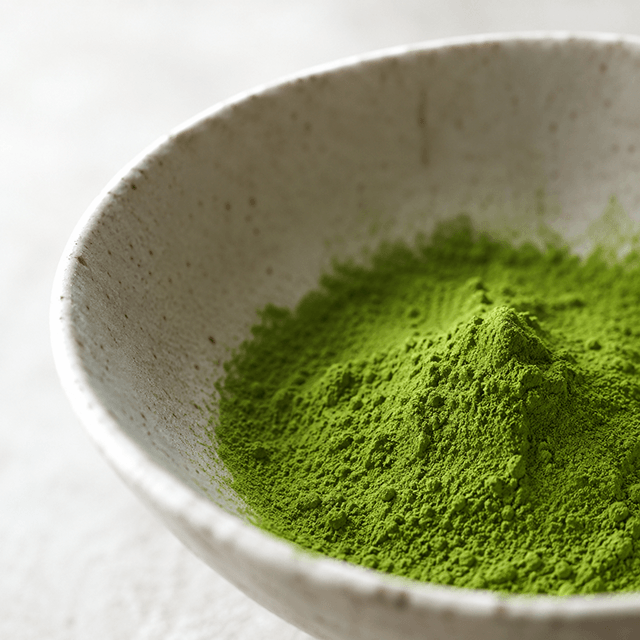
Color is important because customers associate a fresh green latte with good matcha. However, the color of the dry powder does not show exactly how the finished drink will appear.
Milk lightens the color. Ice, cup volume and lighting can change the visual impression further. A powder that looks vivid in a bowl may create a pale latte, while another sample may retain a deeper and more attractive green after dilution.
The café should compare the drinks side by side using the same recipe, cup and lighting. The evaluation should focus on the final beverage rather than supplier photographs.
Extremely bright or fluorescent-looking images should also be treated carefully. Product images can be affected by lighting, camera settings and editing, none of which reveal the actual taste or milk performance.
Flavor Retention Matters More Than Flavor Strength in Water
Testing matcha with water is useful because it reveals the basic aroma, bitterness and aftertaste. However, it should only be the first part of the evaluation.
The more important result is how much of the tea character remains after the complete latte is prepared.
A sample may taste intense in water but become unpleasantly bitter in milk. Another may taste mild in water but create a clean and balanced latte. The café should therefore compare the product in stages and give the greatest weight to the finished drink.
The ideal latte matcha should be identifiable without dominating the milk. It should create enough tea presence to justify the menu name while remaining pleasant for the target customer.
Texture and Service Performance Affect Customer Experience
Cafés do not select ingredients only for flavor. The powder must also work efficiently during service.
A matcha that requires excessive mixing can slow the bar during busy periods. A powder that frequently forms visible lumps may cause inconsistency between employees. Heavy settling can affect takeaway drinks that are not consumed immediately.
Fine matcha still remains a suspended powder rather than becoming completely dissolved. A small amount of settling is therefore normal, especially in iced drinks. The operational question is whether the drink remains visually and texturally acceptable for a reasonable period.
The café should observe how the sample behaves immediately after preparation and again after ten, twenty and thirty minutes. This is particularly important for delivery orders and takeaway service.
Choose a Matcha the Staff Can Prepare Consistently
A sample can perform well during a careful product-development test but fail during daily café operations.
The selected matcha should work with the equipment and preparation method the café actually intends to use. A traditional bamboo whisk may suit a specialist tea bar, while a high-volume café may prefer an electric frother or shaker.
The preparation method should not require unusually precise technique that only one employee can reproduce. A good commercial matcha should deliver similar results when the recipe is followed correctly by different members of staff.
The final recipe should specify the matcha weight, water volume, milk volume, sweetener and mixing time. Measuring powder by weight is more reliable than using an undefined spoonful.
Compare Cost per Cup Rather Than Price per Kilogram
A matcha quotation can appear attractive until the café calculates how much powder is needed in each drink.
Suppose one sample is cheaper per kilogram but requires a larger dosage to remain noticeable in milk. Another sample costs more per kilogram but works at a lower dosage. Their true cost per serving may be very similar.
The basic calculation is:
Matcha cost per cup = price per kilogram ÷ 1,000 × grams used per drink
A complete comparison should also consider whether the selected matcha requires additional syrup, a smaller milk volume or extra preparation time.
| Commercial Factor | Why It Matters |
|---|---|
| Price per kilogram | Shows the purchase price but not the complete serving cost |
| Required dosage | Determines how many drinks can be produced |
| Milk performance | Shows whether the tea remains noticeable |
| Sweetener requirement | Can change ingredient cost and flavor positioning |
| Preparation time | Affects café workflow |
| Waste and inconsistency | Can increase the real operating cost |
| Customer acceptance | Determines whether the product supports repeat sales |
The best value is not always the lowest-priced powder. It is the option that achieves the target drink with the most practical combination of flavor, dosage and operational consistency.
A Practical Café Matcha Selection Method
The selection process should begin with two or three clearly defined menu recipes rather than a general tasting session.
For example, a café may test one plain oat milk latte, one iced dairy latte and one strawberry matcha. Each candidate powder should be prepared in exactly the same way.
The team should then compare the finished drinks according to color, tea visibility, bitterness, texture and overall menu suitability. Cost should be calculated only after the required dosage has been established.
Suggested Evaluation Table
| Evaluation Area | Question to Ask |
|---|---|
| Color in milk | Does the drink retain an attractive natural green appearance? |
| Tea visibility | Can the matcha still be clearly tasted after milk is added? |
| Balance | Does the drink need excessive sugar to taste acceptable? |
| Mouthfeel | Is the texture smooth enough for the intended menu? |
| Iced performance | Does the flavor remain clear after ice dilution? |
| Flavored performance | Can the matcha compete with fruit or syrup? |
| Service consistency | Can different employees reproduce the same result? |
| Required dosage | How many grams are needed for the target drink? |
| Cost per cup | Is the result commercially sustainable? |
| Menu fit | Does the sample match the café’s positioning? |
The final decision should not be based on one person’s preference alone. When possible, several staff members should taste the drinks without knowing which sample is which. This reduces the influence of price, packaging or supplier claims.
When One Matcha Grade Is Enough
Using one matcha for the entire menu simplifies purchasing, storage and staff training. It can be a good approach for a café offering a limited range of drinks.
A versatile café matcha should work reasonably well in hot and iced formats and maintain enough flavor for lightly flavored drinks. Small adjustments to dosage can then be used for different cup sizes.
However, one grade may not be ideal when the menu contains both premium unsweetened drinks and strongly flavored fruit lattes. The unsweetened drink may need a smoother matcha, while the fruit latte may require a stronger and more economical grade.
In this situation, using two grades can create clearer product positioning. The business must decide whether the improved menu performance justifies the additional inventory and training.
When a Café Should Consider Two Matcha Grades
A two-grade system can work well when the menu includes distinct product categories.
One grade can be reserved for premium plain lattes and traditional preparation. A second, stronger grade can be used for flavored beverages, larger iced drinks and dessert applications.
This approach allows the café to protect the quality of its premium menu while keeping the ingredient cost of high-volume drinks under control.
It should only be introduced when the recipes, storage containers and staff instructions are clearly separated. Otherwise, employees may use the wrong powder and create inconsistent drinks.
Common Selection Mistakes
One frequent mistake is approving a matcha after tasting it only with water. This reveals the base tea but does not show how it will perform in the café’s main product.
Another mistake is comparing samples using different milk types or different dosages. Without a standardized recipe, the comparison has little value.
Some cafés also focus heavily on the dry powder color and overlook tea intensity, texture and cost per serving. Others choose the lowest quotation without calculating how many grams will be required in a finished drink.
The final mistake is trying to solve every problem with more sweetener. Sugar can soften bitterness, but it cannot create tea flavor when the matcha is too weak for the recipe.
Frequently Asked Questions
What Type of Matcha Is Best for a Café Latte?
A balanced café-grade matcha is often the most practical choice. It should retain clear tea flavor in milk, create an attractive green color and work at a reasonable dosage.
The best option still depends on the milk, cup size and menu style.
Is Ceremonial Matcha Necessary for Lattes?
No. A premium grade may suit unsweetened or high-end drinks, but a delicate matcha can lose much of its character in a large milk-based latte.
A stronger and more commercially balanced grade may perform better for a standard café menu.
Can Culinary Matcha Be Used in a Latte?
Some culinary matcha can work in strongly sweetened or flavored drinks. Others may be too rough, bitter or dull for a plain latte.
The grade name alone cannot determine suitability. The finished drink must be tested.
What Is the Best Matcha for Oat Milk?
A matcha with clear tea body, good color retention and moderate bitterness generally works well. Oat milk can soften delicate tea notes, so the powder may need to be stronger than one used with lighter milk.
Does Iced Matcha Need More Powder?
It often does. Ice dilutes the beverage and cold temperature can make the flavor seem less intense. The café should compare different dosages rather than automatically increasing the powder.
Why Does Matcha Taste Weak in a Latte?
The drink may contain too much milk, too little powder or a matcha that is too delicate for the recipe. Strong syrup or fruit ingredients can also cover the tea.
Should a Café Use One Matcha for Every Drink?
One versatile grade can simplify operations. Two grades may be better when the café offers both premium unsweetened drinks and strongly flavored beverages.
How Should Cafés Compare Matcha Prices?
The comparison should be based on cost per finished drink, not only price per kilogram. Required dosage, preparation time and recipe performance should all be considered.
Final Thoughts
Choosing the best matcha for lattes begins with the café’s menu rather than the supplier’s grade description.
The café should first decide what type of drink it wants to sell, how large the serving will be, which milk will be used and how much sweetness or flavoring the recipe will contain. Samples can then be compared in the finished beverage under identical conditions.
The strongest choice is the matcha that maintains its color and tea character, works consistently during service and supports a practical cost per cup.
For some cafés, this will be a smooth premium powder used in lightly sweetened drinks. For others, it will be a stronger café-grade matcha designed to remain noticeable in oat milk, ice and fruit-based recipes.
The correct grade is therefore not the one that sounds most prestigious. It is the one that fits the menu, the customer and the operating model.
Find a Latte Matcha That Fits Your Café Menu
TangMist supplies bulk matcha powder for cafés, beverage businesses, foodservice distributors and private label projects.
Rather than choosing matcha by grade name alone, cafés can compare samples in their intended milk, cup size and flavor system. TangMist can recommend suitable options for classic lattes, oat milk beverages, iced drinks and fruit-based matcha menus.
When requesting samples, cafés should provide the planned drink size, milk type, approximate matcha dosage, sweetness level and estimated purchasing volume.
Contact TangMist to compare latte matcha samples based on your actual café recipe and target cost per serving.