Matcha has become one of the fastest-growing ingredients in the global food and beverage market. From matcha lattes and smoothies to desserts, bakery products, supplements, and ready-to-drink beverages, more businesses are purchasing matcha in bulk to meet rising demand. However, choosing the right matcha supplier is not only about finding the lowest price. The quality of matcha directly affects taste, color, customer satisfaction, product consistency, and brand reputation.
If you are planning to buy matcha in bulk, here are the key factors to evaluate before selecting a supplier.
1. Check the Origin of the Matcha
The origin of matcha plays an important role in its quality, flavor, and market value. High-quality matcha is traditionally produced in Japan, especially in regions such as Uji, Nishio, Shizuoka, and Kagoshima. These areas are known for their tea-growing expertise, suitable climate, and advanced processing techniques.
When evaluating a supplier, ask where the tea leaves are grown and processed. A reliable supplier should be transparent about the matcha’s origin and provide detailed information about the farm, region, or production facility. If the supplier cannot clearly explain where the matcha comes from, this may be a warning sign.
2. Understand the Grade of Matcha
Not all matcha is the same. Different grades are suitable for different applications. For example, ceremonial-grade matcha is usually used for traditional drinking and premium beverages, while culinary-grade matcha is commonly used in baking, desserts, ice cream, and food manufacturing.
Before purchasing in bulk, identify your business needs. If you are selling premium matcha drinks, color, aroma, and smooth taste are especially important. If you are using matcha in baked goods, you may need a cost-effective culinary grade with strong flavor and stable color.
A good supplier should be able to recommend the right grade based on your product application rather than simply pushing the most expensive option.
3. Evaluate Color, Aroma, and Taste
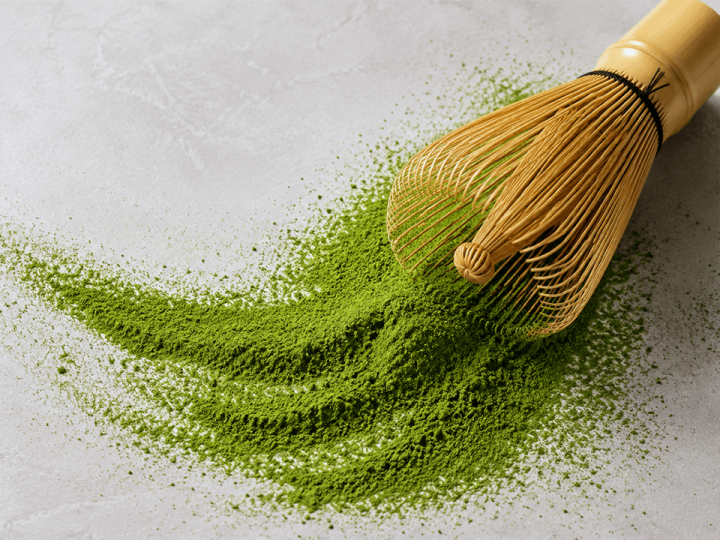
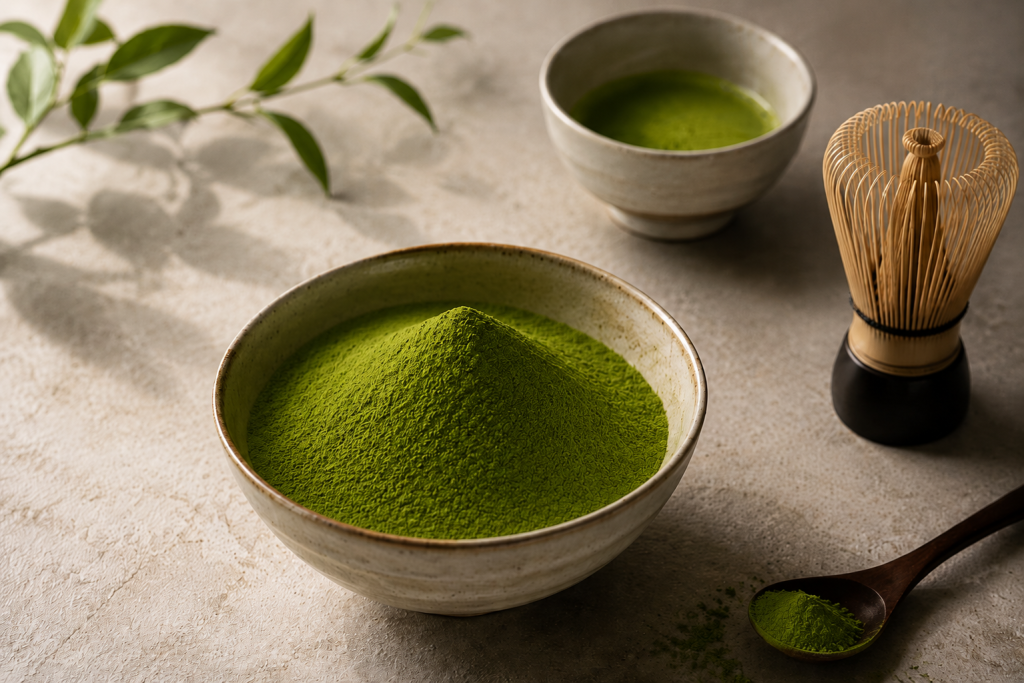
Quality matcha usually has a bright green color, a fresh grassy aroma, and a smooth umami flavor. Dull yellowish or brownish matcha may indicate poor-quality leaves, improper storage, oxidation, or old stock.
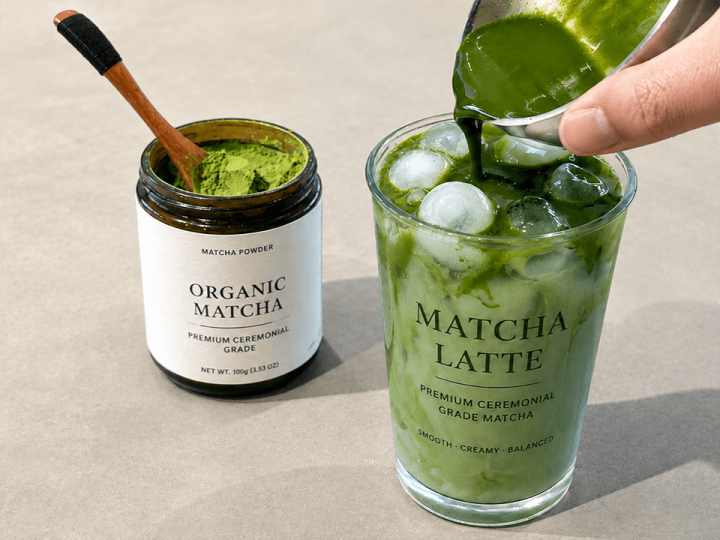
Before placing a bulk order, always request samples. Test the matcha in the same way you plan to use it in production. For example, if you are making matcha lattes, test the powder with milk or plant-based milk. If you are making desserts, test it in your recipe.
Pay attention to bitterness, aftertaste, solubility, and color stability. A slightly bitter taste is normal, but strong bitterness or a rough texture may suggest lower quality.
4. Review Certifications and Food Safety Standards
For bulk purchasing, food safety is essential. A professional matcha supplier should be able to provide relevant certifications and documents, such as organic certification, HACCP, ISO, FDA registration, EU food safety compliance, or other local import documents depending on your market.
You should also ask for a Certificate of Analysis, commonly known as a COA. This document may include information about heavy metals, pesticide residues, microbiological testing, radiation testing, and other safety indicators.
If you are purchasing organic matcha, make sure the organic certification is valid for your target market. For example, USDA Organic, EU Organic, or JAS Organic certifications may be required depending on where you sell your products.
5. Assess Production Capacity and Supply Stability
Bulk buyers need more than good samples. They need stable supply. A supplier may send an excellent sample, but if they cannot consistently deliver the same quality in large quantities, your business may face production delays or quality complaints.
Ask the supplier about their monthly or annual production capacity, inventory level, lead time, harvest season, and ability to handle repeat orders. You should also confirm whether they can support your expected order volume as your business grows.
A reliable supplier should have a clear supply chain, stable production capacity, and a realistic delivery schedule.
6. Compare Pricing Carefully
Price is important, but it should not be the only deciding factor. Extremely cheap matcha may be mixed with lower-grade tea powder, contain additives, or come from unclear sources. On the other hand, the highest price does not always guarantee the best match for your business.
When comparing prices, consider the full value: quality, certifications, packaging, logistics, minimum order quantity, payment terms, and after-sales support. Also ask whether the price is based on FOB, CIF, DDP, or another trade term, as shipping and import costs can significantly affect your total cost.
The best supplier is not necessarily the cheapest one, but the one that provides consistent quality at a fair and sustainable price.
7. Check Packaging and Storage Conditions
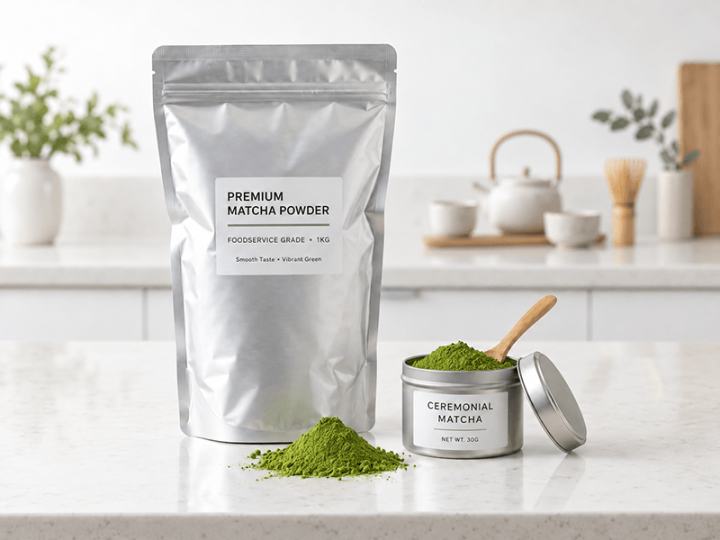
Matcha is sensitive to light, heat, air, and moisture. Poor packaging can cause oxidation, color fading, and flavor loss. For bulk orders, suppliers should use sealed, food-grade, moisture-proof, and light-protective packaging.
Ask about the packaging size options, such as 1 kg, 5 kg, 10 kg, or customized bulk packaging. Also confirm the shelf life and recommended storage conditions. Ideally, matcha should be stored in a cool, dry place, away from direct sunlight and strong odors.
Good packaging helps maintain freshness during transportation and storage, especially for international shipments.
8. Test Solubility and Processing Performance
For food and beverage manufacturers, matcha must perform well in real production conditions. Some matcha powders dissolve more easily than others, while some may clump, separate, or lose color during heating.
If you produce beverages, test how well the matcha mixes with water, milk, or other ingredients. If you make baked goods, test whether the color remains attractive after baking. If you use matcha in ice cream or chocolate, check whether the flavor remains balanced.
A suitable supplier should understand the technical requirements of different applications and provide product options that meet your processing needs.
9. Evaluate Communication and Service
Good communication is often a sign of a reliable supplier. Pay attention to how quickly and professionally the supplier responds to your questions. Do they provide clear product specifications? Are they willing to send samples? Can they explain quality differences? Do they understand export documents and logistics?
Bulk purchasing usually involves long-term cooperation. A supplier with poor communication may create problems later, especially when dealing with urgent orders, quality issues, customs documents, or shipping delays.
Choose a supplier that is responsive, transparent, and willing to support your business.
10. Start with a Trial Order
Even if the sample looks good, it is wise to start with a smaller trial order before committing to a large bulk purchase. This allows you to test the supplier’s actual delivery process, product consistency, packaging quality, and service reliability.
After receiving the trial order, compare it with the original sample. Check whether the color, aroma, taste, particle size, and packaging are consistent. If everything meets your expectations, you can gradually increase your order volume.
Conclusion
Evaluating a matcha supplier for bulk purchase requires careful attention to quality, origin, certifications, pricing, production capacity, packaging, and service. A reliable supplier should provide not only good matcha, but also stable supply, transparent documentation, and professional support.
For businesses, choosing the right matcha supplier can help maintain product consistency, reduce risk, and build long-term customer trust. Before making a large purchase, always request samples, review documents, test the product in your own application, and start with a trial order. A thoughtful supplier evaluation process will help you find a matcha partner that supports your business growth.
Evaluate Bulk Matcha Options with TangMist
TangMist supplies bulk matcha powder for cafés, beverage brands, food manufacturers, distributors and private label projects.
Different matcha profiles can be evaluated for pure drinking, dairy and plant-based lattes, flavored beverages, sachets, bakery, ice cream, chocolate and other commercial applications.
TangMist can support buyers with coded samples, product specifications, batch documentation, bulk packaging, private label options and international shipping preparation.
Send Your Matcha Purchasing Requirements
For a relevant recommendation, provide the intended application, target flavor, serving size or formula dosage, destination market, packaging preference, initial quantity and expected annual demand.
Contact TangMist to evaluate matcha samples and build a bulk purchasing programme around your product, quality and commercial requirements.