Matcha has moved well beyond its traditional role as a whisked tea. It now appears in café menus, ready-to-drink beverages, chocolate, desserts, bakery products, nutrition blends and private label retail ranges around the world.
This expansion is not being driven by one consumer group or one product format. Matcha appeals to customers interested in tea culture, visually distinctive drinks, premium café experiences and wellness-oriented products. At the same time, its recognizable color and adaptable flavor make it useful for brands seeking an ingredient that can support both product differentiation and social media visibility.
Commercial market estimates vary, but one current forecast values the global matcha market at approximately USD 5.5 billion in 2026 and projects continued growth through 2033. Such forecasts should not be treated as guarantees, but they indicate that businesses increasingly view matcha as a developing ingredient category rather than a temporary seasonal flavor.
For food and beverage brands, however, rising demand creates more than an opportunity to launch another green drink. It affects product development, ingredient sourcing, pricing, quality control, packaging and long-term supply planning.
Why the Current Matcha Boom Is Different
Matcha has experienced periods of international attention before, but the current market is broader and more commercially diverse.
Earlier growth was concentrated largely in specialty tea shops and wellness retailers. Today, matcha is being adopted by independent cafés, international beverage chains, packaged food companies and major consumer brands. Recent industry reporting indicates that even large multinational food and beverage businesses are evaluating matcha as a growth category for younger and more beverage-focused consumers.
Matcha Has Become a Format Rather Than a Single Drink
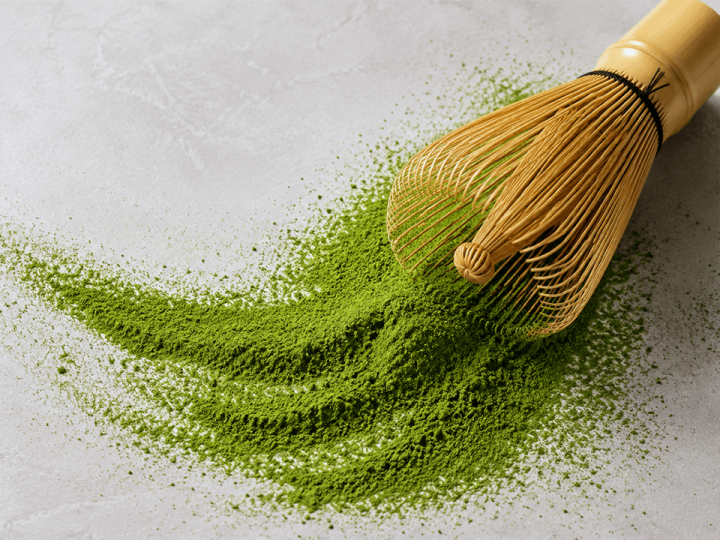
Traditional matcha is prepared by whisking fine tea powder with water. Modern commercial applications use the ingredient much more widely.
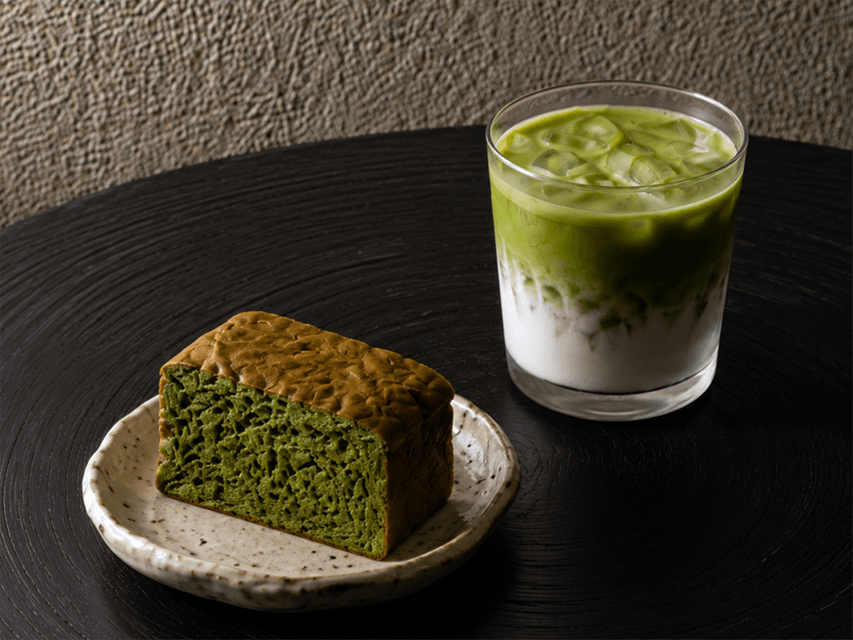
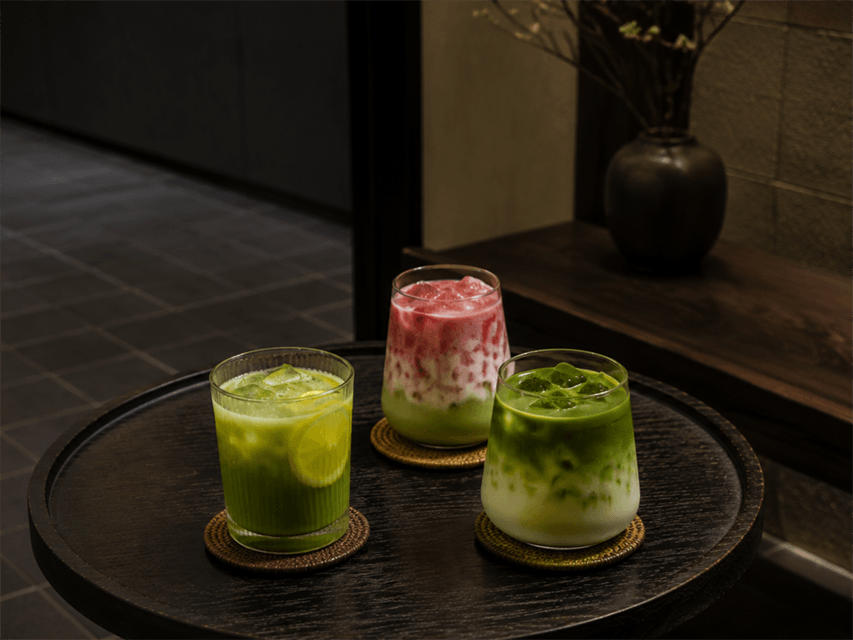
A customer may first encounter matcha in an iced strawberry latte, a bottled functional drink, a chocolate bar or a bakery product rather than in a traditional tea bowl. This variety gives matcha an advantage over ingredients that are limited to one consumption occasion.
Current product-development research points toward continued expansion into snacks, prepared foods, functional ready-to-drink products and hybrid flavor combinations involving berries, chocolate and citrus.
Visual Identity Supports Discovery
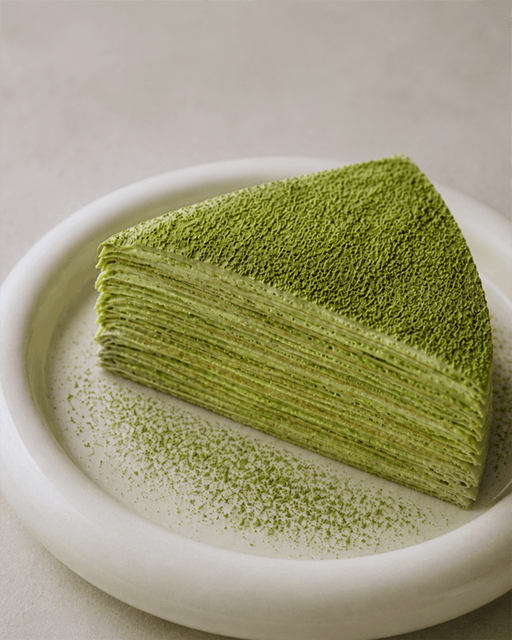
Matcha has a naturally recognizable appearance. Its green color allows a beverage or food product to communicate its main ingredient immediately, often without requiring extensive explanation.
This visual quality is particularly useful in cafés and digital marketing. Layered matcha lattes, fruit matcha drinks and matcha desserts can be photographed easily and adapted for seasonal menus.
The visual appeal should not lead brands to select powder by color alone. A bright dry powder may provide insufficient flavor in milk, while a slightly deeper green matcha may perform better in a finished beverage. Commercial suitability still depends on the complete sensory and technical result.
Preparation Adds an Experience Element
The process of measuring, whisking and pouring matcha can become part of the customer experience. Even when preparation is simplified for commercial service, it can communicate craftsmanship and support premium pricing.
For retail brands, the same ritual can encourage repeat use at home. A matcha product is not only an ingredient; it may also become part of a customer’s morning routine or afternoon break.
Matcha Fits Several Consumer Expectations at Once
Matcha occupies an unusual position between traditional tea, modern café culture and wellness-oriented consumption.
Some customers choose it as an alternative to coffee. Others are attracted by its cultural background, preparation ritual or distinctive flavor. A separate group is introduced to matcha through sweetened lattes, fruit combinations and desserts.
This range allows brands to position matcha in several ways, but it also makes overly broad messaging risky. A premium traditional matcha and a flavored café latte may share the same core ingredient, yet they serve different expectations.
A clear product concept should therefore come before ingredient selection.
What the Matcha Boom Means for Product Innovation
The main commercial opportunity is not limited to selling matcha powder. Food and beverage companies can use matcha to develop new formats, create premium menu items and extend existing product lines.
Commercial Opportunities Across Product Categories
The following table shows how matcha can function in different product categories and where the main development challenges are likely to appear.
| Product Category | Commercial Opportunity | Suitable Matcha Characteristics | Main Development Challenge |
|---|---|---|---|
| Traditional tea | Premium retail and specialty tea positioning | Smooth taste, noticeable umami and low astringency | Maintaining freshness and communicating quality |
| Café lattes | High-visibility menu item with customization potential | Strong tea character, attractive milk color and controlled bitterness | Balancing flavor strength with cost per cup |
| Ready-to-drink beverages | Convenient retail and food-service distribution | Good dispersibility and compatibility with the formula | Sedimentation, heat treatment and shelf-life stability |
| Bakery and confectionery | Flavor and color differentiation | Stronger culinary profile and good performance with sugar and fat | Color loss and weak flavor after processing |
| Nutrition powders | Product-line extension for wellness-oriented brands | Consistent flavor, documentation and suitable particle size | Formula compatibility and compliant positioning |
| Private label matcha | Entry into consumer retail with flexible brand positioning | Grade matched to target price and consumer expectations | Packaging MOQ, labeling and batch consistency |
| Food-service ingredients | Bulk supply for cafés, bakeries and restaurant groups | Reliable quality and commercially practical pricing | Preparation consistency across multiple locations |
The most promising category depends on the brand’s existing customers, production equipment and distribution channels. A café supplier may find latte powder and portion packs more practical, while a packaged food company may achieve stronger differentiation through chocolate, snacks or dessert formulations.
Café and Food-Service Innovation
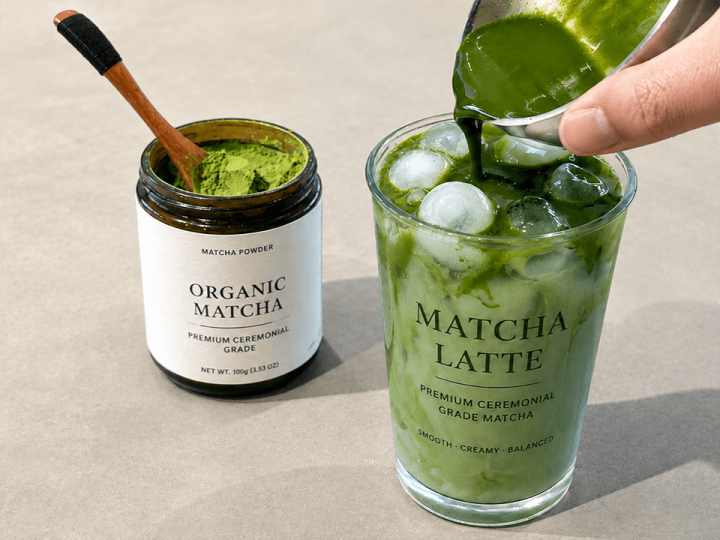
Cafés remain one of the most visible channels for matcha growth. Matcha can be served hot or cold and combined with dairy milk, oat milk, coconut milk, fruit purées, syrups, foam and seasonal flavors.
This flexibility helps operators create multiple menu items from one core ingredient. A standard matcha latte can become the base for strawberry matcha, mango matcha, coconut matcha or sparkling citrus variations.
Customization Can Increase Menu Reach
A plain matcha beverage may appeal to existing tea consumers, while flavored versions can reduce the entry barrier for customers who are unfamiliar with its vegetal or slightly bitter character.
However, greater customization also increases the risk that the tea flavor becomes too weak. Café operators should test each recipe independently rather than assuming one matcha dosage will work across every drink.
The Matcha Must Remain Noticeable
A delicate drinking-grade powder may taste refined with water but disappear when mixed with milk, ice and syrup. In this case, paying more for a premium grade does not necessarily create a better commercial product.
A matcha for cafés generally needs sufficient flavor intensity, reliable color and consistent dispersibility. The correct choice is determined by performance in the final recipe rather than by the grade name alone.
Ready-to-Drink Matcha Beverages
Ready-to-drink matcha offers convenience and broader retail distribution, but it creates more technical challenges than a freshly prepared café drink.
Matcha is a suspension rather than a completely soluble ingredient. Sedimentation may therefore occur during storage. Acidity, heat processing, proteins, sweeteners and minerals can also affect color, flavor and physical stability.
A beverage manufacturer should evaluate the powder inside the complete formula. Pilot production may need to examine homogenization, sedimentation, pasteurization, refrigerated storage and ambient shelf life.
A matcha powder manufacturer can provide ingredient specifications, but the finished beverage producer remains responsible for confirming that the complete formula is commercially stable.
Matcha in Food, Bakery and Confectionery
Matcha can differentiate cookies, cakes, chocolate, ice cream, cereal products, fillings and other processed foods.
In these applications, flavor strength often matters more than the refined finish expected from traditional drinking matcha. Sugar and fat can soften bitterness, while flour, chocolate and cream can reduce the visibility of a delicate tea flavor.
Culinary matcha powder may therefore provide better commercial performance than a more expensive premium grade. The final choice should be based on recipe trials, heat exposure, target color and ingredient cost per finished unit.
Premiumization Creates Opportunity and Responsibility
The matcha boom has created space for premium products, but premium positioning requires more than attractive packaging.
Customers increasingly encounter matcha at different price and quality levels. Some products emphasize origin and traditional preparation, while others focus on convenience, flavor combinations or affordability.
A brand should decide what “premium” means within its own category. It may refer to a specific origin, an early harvest, organic certification, a smoother sensory profile, better packaging or stronger traceability.
Provenance Can Strengthen Brand Positioning
Information about growing region, shading, harvest, processing and flavor profile can help customers understand why one matcha differs from another.
However, origin claims should be clear and accurate. A product should not create the impression of coming from a particular country or region when its actual supply chain does not support that claim.
Transparency is especially important for private label matcha and premium retail products, where the brand may use origin as a central part of its story.
Education Can Support Long-Term Demand
Matcha is still unfamiliar to many consumers. Some expect it to taste sweet because their first experience came from a flavored latte. Others assume all vivid green powder should have the same flavor and quality.
Brands can reduce disappointment by explaining preparation methods, serving dosage, expected bitterness and suitable applications. Useful education can occur through packaging, product pages, café menus, videos and recipe content.
This type of communication can support repeat purchases more effectively than relying only on a short-lived trend.
Should Brands Source Matcha from More Than One Origin?
The growth in demand has encouraged commercial buyers to evaluate matcha from several producing regions.
Japanese matcha often supports traditional, regional and premium positioning. Chinese matcha can offer broader commercial volumes, multiple application grades and competitive options for cafés, food manufacturing and private label projects.
The correct decision depends on the finished product rather than on a simple claim that one origin is always superior.
A premium tea retailer may place greater value on a specific Japanese region. A bakery or large café chain may prioritize flavor strength, color consistency, available volume and cost per serving.
Some businesses may use different origins or grades across separate product lines. This can improve supply flexibility, provided the labeling, quality specifications and marketing claims remain accurate.
Common Mistakes During Matcha Product Development
The global boom can encourage companies to move too quickly. Several problems appear repeatedly in commercial matcha projects.
Choosing by Dry Color Alone
A vivid dry powder does not guarantee a vivid finished latte or dessert. The matcha should be tested with the actual ingredients and process.
Treating Grade Names as Universal Standards
Ceremonial, premium, café and culinary are commercial descriptions, not globally uniform grades. Samples and specifications are more reliable than the name alone.
Comparing Only Price per Kilogram
The more useful measure is usually cost per finished serving. A stronger powder used at a lower dosage may offer better value.
Approving a Sample Without Discussing Repeat Supply
A sample confirms product suitability only at one moment. It does not confirm future capacity, pricing or consistency.
Printing Packaging Before Compliance Review
Private label matcha packaging should not enter production until ingredient statements, origin claims, nutrition information and required documents have been checked for the intended market.
Is the Matcha Boom Likely to Last?
No ingredient trend continues at the same rate forever. Some highly visual matcha drinks may lose attention as café trends change.
However, matcha now appears across too many formats and markets to be understood only as a temporary viral drink. Export growth, agricultural investment and interest from major food and beverage companies indicate that the category has developed a broader commercial foundation.
The more likely outcome is market segmentation. Entry-level flavored drinks, commercial café matcha, premium origin-specific products and food-manufacturing grades may develop into increasingly distinct categories.
Brands that understand this segmentation are more likely to create products with lasting relevance.
Frequently Asked Questions
What Is Driving the Global Matcha Boom?
The growth is being supported by café adoption, visually distinctive beverages, interest in tea-based alternatives, premium product experiences and the ability to use matcha across drinks, desserts and packaged foods.
Demand is no longer limited to traditional tea consumers, which allows matcha to reach customers through several different product formats.
What Is the Best Matcha for a Food or Beverage Brand?
The best option depends on the application.
Traditional drinking usually requires a smoother sensory profile. Café lattes need stronger flavor and attractive color in milk. Bakery products often require culinary matcha that remains noticeable after heating and mixing.
The appropriate grade should be selected through final-product testing.
Is Premium Matcha Necessary for Lattes?
Not always.
A highly refined matcha may become too subtle after milk and sweeteners are added. A balanced café or latte grade can provide better flavor visibility and a more sustainable cost per cup.
What Should a Bulk Matcha Powder Supplier Provide?
A commercial supplier should clearly explain the product’s origin, application, specification, MOQ, lead time, packaging and available supply.
Depending on the destination market, buyers may also require batch testing, food-safety documents, traceability information and support for private label packaging.
Can Matcha Be Used in Ready-to-Drink Products?
Yes, but the formulation requires technical testing.
Matcha may settle during storage and can react differently under heat, acidity or protein-rich conditions. Beverage manufacturers should conduct stability and shelf-life studies before commercial production.
Is Chinese Matcha Suitable for Commercial Products?
Chinese matcha can be suitable for cafés, bakery products, beverages and private label applications when its sensory quality, specifications and documentation meet the buyer’s requirements.
Origin should be evaluated together with application performance, consistency, capacity and target price.
What the Matcha Boom Ultimately Means for Brands
The global matcha boom creates genuine opportunities, but it also raises expectations.
Brands now have more ways to use matcha, from premium drinking powder to café beverages, ready-to-drink formats, desserts and private label retail products. At the same time, rising demand can create supply pressure, longer lead times and greater price variation.
Successful product development requires more than following a visible trend. It requires selecting the right grade, testing the complete formula, understanding cost per serving, reviewing documentation and planning for repeat supply.
The brands most likely to benefit will be those that treat matcha as a long-term ingredient category rather than a temporary color or flavor.
Develop a Commercial Matcha Product with TangMist
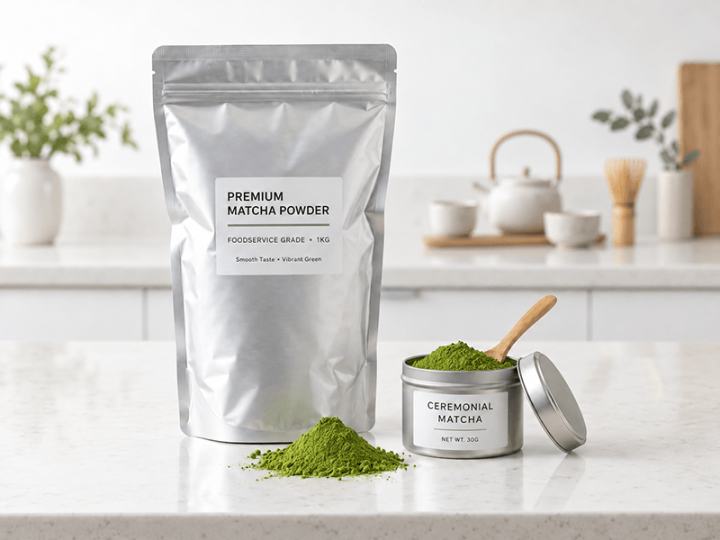
TangMist supplies bulk matcha powder for cafés, beverage brands, food manufacturers, wholesalers, distributors and private label businesses.
Available matcha options can support traditional tea, matcha lattes, bakery products, confectionery, food-service applications and packaged retail lines. TangMist can also assist with sample comparison, grade selection, bulk packaging, custom packaging and product documentation.
Food and beverage businesses can provide their intended application, target flavor, expected order volume, packaging format and target cost. TangMist can then recommend suitable matcha grades for practical testing.
Request Matcha Samples and a Bulk Quotation
Businesses planning a new matcha product can contact TangMist to request samples, product specifications and a customized bulk matcha powder quotation.