Choosing matcha powder for commercial use requires more than comparing color, origin, grade, and wholesale price. A matcha that performs well in traditional tea preparation may not be suitable for a sweetened latte, bakery product, bottled beverage, or private label retail line.
For cafés, beverage brands, food manufacturers, wholesalers, and distributors, the right matcha should meet both product and business requirements. It needs to deliver the expected color, flavor, and texture while also offering stable supply, suitable packaging, reliable documentation, and a commercially practical cost.
The selection process should therefore begin with the final application. Grade descriptions such as ceremonial, premium, latte, and culinary can provide useful guidance, but they should not replace sample testing and supplier evaluation.
Why the Intended Application Comes First
The same matcha powder does not perform equally well in every product. Milk, sugar, heat, acidity, storage time, and processing methods can all change the way matcha looks and tastes.
Before contacting a bulk matcha powder supplier, a business should clearly define how the ingredient will be used.
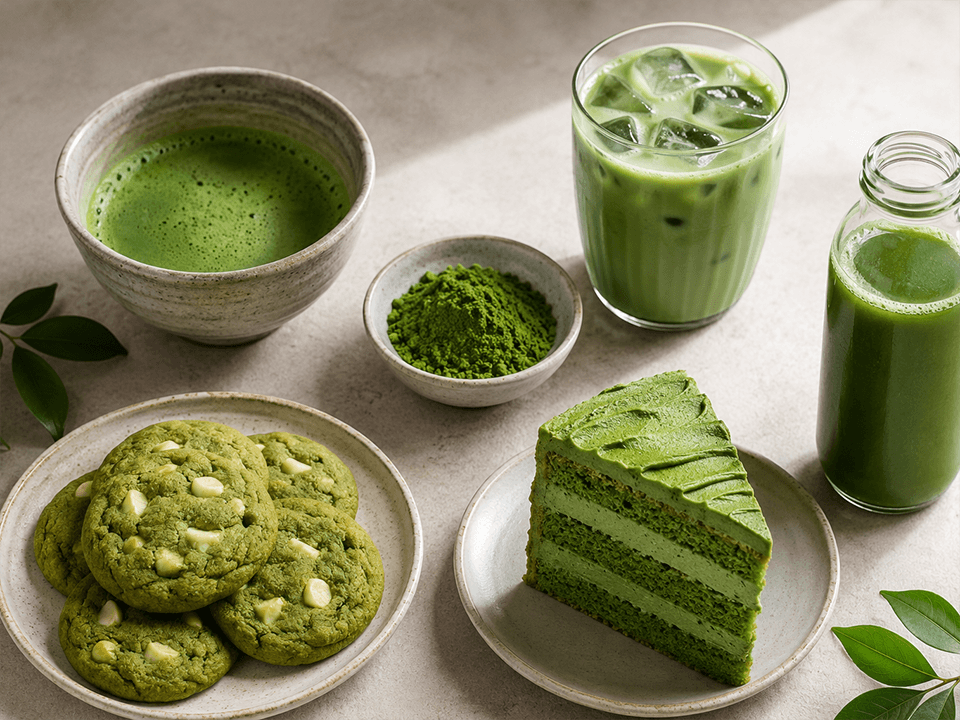
Matcha for Traditional Drinking
Matcha prepared directly with water generally requires a smoother and more balanced flavor profile. Because there is no milk or sugar to cover bitterness, the natural characteristics of the tea become more noticeable.
A suitable drinking matcha usually has a fresh aroma, noticeable umami, moderate bitterness, low astringency, and a clean aftertaste. Texture is also important because a coarse powder can create an unpleasant mouthfeel.
Higher-quality drinking grades are commonly selected by specialty tea retailers, traditional tea shops, premium hospitality businesses, and brands targeting experienced matcha consumers.
The Main Purchasing Priority
For this application, flavor refinement is usually more important than maximum flavor strength. A strong but highly bitter matcha may remain noticeable, but it may not provide the smooth experience expected from a premium product.
Matcha for Cafés and Lattes
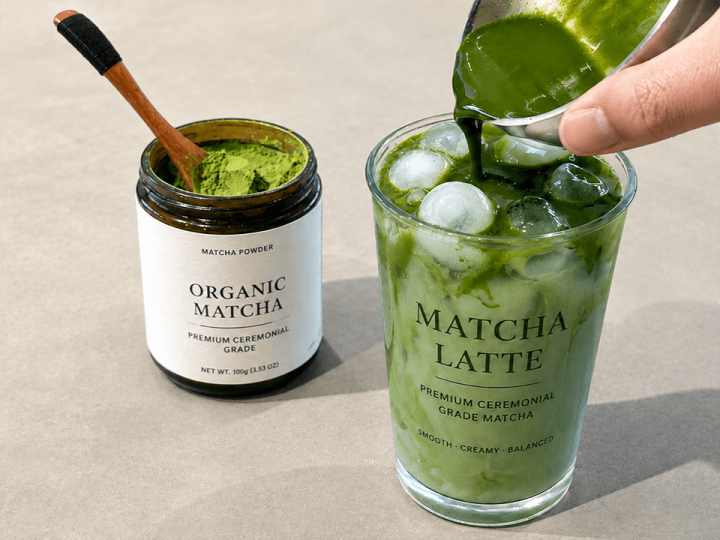
Matcha for cafés needs to remain recognizable after being mixed with dairy milk, oat milk, coconut milk, syrup, or sugar.
A delicate matcha may taste pleasant with water but become too weak in a latte. For this reason, café operators often select a latte-grade matcha with stronger tea character, attractive green color, controlled bitterness, and consistent preparation performance.
The most expensive ceremonial matcha is not always the most appropriate choice. A balanced café grade may provide better flavor visibility and a lower cost per cup.
What Café Buyers Should Evaluate
Café buyers should compare the powder using the same milk, sweetener, cup size, water temperature, and equipment used during daily service.
Practical Preparation Conditions
Testing should reflect real working conditions rather than an ideal tasting environment. The powder should be easy for staff to measure, mix, and prepare consistently during busy service periods.
A Useful Café Test
A sample that performs well with water should also be tested in the café’s standard latte recipe. This reveals whether the matcha remains visible in both flavor and color after other ingredients are added.
Matcha for Baking and Food Manufacturing
Food manufacturers often require a stronger matcha powder because flour, butter, chocolate, sugar, cream, and other ingredients can reduce the visibility of mild tea flavors.
Culinary matcha powder is commonly used in cakes, cookies, chocolate, ice cream, noodles, cereal products, and confectionery. It generally offers stronger flavor and a more practical wholesale price than premium drinking grades.
However, the final product should always be tested. Heat can affect color, while fats and sweeteners can change the perceived bitterness and aroma.
Matcha for Ready-to-Drink Beverages
Ready-to-drink matcha products create additional technical challenges. A powder used in bottled beverages may need to withstand heat treatment, acidity, transportation, and extended shelf storage.
A beverage manufacturer should evaluate sedimentation, dispersibility, color stability, compatibility with other ingredients, and flavor performance over time.
The brightest dry powder is not automatically the most stable option after pasteurization or long-term storage.
Comparing Matcha Grades by Commercial Application
Matcha grade descriptions are useful, but they are not applied through one universal international standard. One supplier’s premium grade may be similar to another supplier’s café grade.
The following table provides a practical comparison based on intended use rather than relying only on grade names.
| Matcha Type | Common Applications | Typical Flavor Profile | Main Commercial Priority |
|---|---|---|---|
| Premium Drinking Matcha | Traditional tea, premium retail products | Smooth, balanced, noticeable umami | Refined taste and clean aftertaste |
| Café or Latte Matcha | Matcha lattes, café beverages, milk-based drinks | Stronger tea character with controlled bitterness | Flavor visibility in milk and cost per cup |
| Culinary Matcha | Baking, chocolate, desserts, ice cream | More intense and slightly more bitter | Performance with other ingredients |
| Beverage Matcha | Bottled drinks, functional beverages, premixes | Formula-dependent | Stability, dispersibility and repeatability |
| Private Label Matcha | Retail tins, pouches, sachets | Selected according to brand positioning | Product consistency and packaging suitability |
This table should be used as a starting point. Actual samples and specifications remain more important than the commercial grade name.
How to Evaluate Matcha Color
Color is one of the first characteristics buyers notice when comparing matcha powder. It can influence customer perception, particularly in premium beverages, cafés, desserts, and retail packaging.
However, color should not be evaluated through supplier photographs alone. Camera settings, editing, lighting, and screen brightness can make the same powder appear different.
Evaluate the Powder Under Consistent Lighting
Samples should be viewed under natural light or neutral white lighting. Warm indoor lighting can make matcha appear more yellow, while highly edited product images may make it appear brighter than it is.
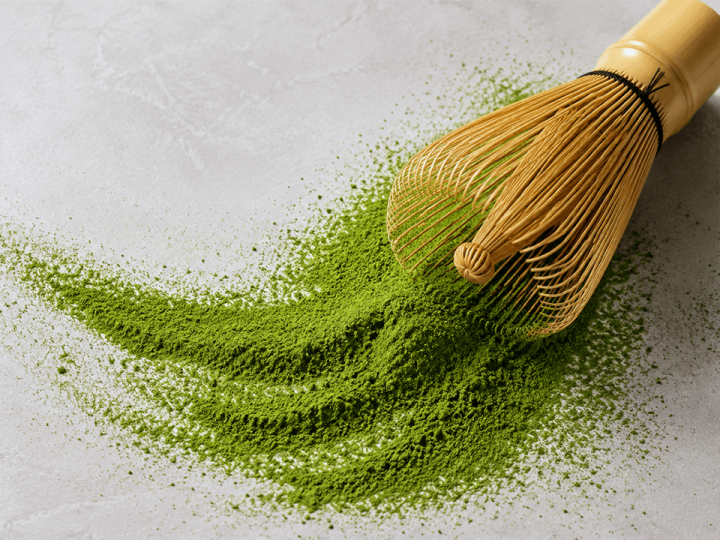
The dry powder should first be compared on a clean white surface. It should then be prepared with water and tested inside the final product.
Test Color in the Actual Formula
A matcha may appear vivid in dry form but become pale when mixed with milk. Another powder may appear slightly darker when dry but produce a stronger and more attractive latte color.
For bakery and food manufacturing applications, the powder should also be evaluated after heating. Color that looks suitable before baking may change during production.
Color Is Only One Quality Indicator
A brighter green color may support premium positioning, but it should not be considered separately from flavor, aroma, texture, stability, documentation, and cost.
How to Assess Aroma and Flavor
Matcha can contain vegetal, grassy, creamy, nutty, marine, sweet, roasted, and umami notes. The most suitable profile depends on the product concept and target customer.
Premium drinking matcha generally requires a cleaner aroma and smoother finish. Matcha for cafés often needs stronger flavor so that it remains noticeable after milk and sweeteners are added.
Culinary matcha may contain more bitterness, but this can be balanced by sugar, fat, or other ingredients in the finished product.
Important Sensory Characteristics
During sample evaluation, the buyer should consider the aroma of the dry powder, freshness after preparation, bitterness, astringency, umami, mouthfeel, and aftertaste.
Flavor strength should also be evaluated inside the final recipe. A mild matcha may taste pleasant alone but may disappear in a product containing milk, protein powder, chocolate, or flavoring ingredients.
Stronger Does Not Always Mean Lower Quality
A stronger matcha can be commercially valuable when the application requires clear tea flavor. It may also reduce the dosage needed per serving.
The better option is the matcha that achieves the intended result without producing excessive bitterness or an unpleasant aftertaste.
Texture, Particle Size, and Dispersibility
Matcha is a fine suspension rather than a completely soluble powder. Even high-quality matcha can settle if a prepared drink is left standing.
Particle size influences mouthfeel, mixing behavior, suspension, and production efficiency. A powder that feels coarse or sandy may not be suitable for premium beverages.
Test with Commercial Equipment
A café should test samples using its normal frother, shaker, or blender. A food manufacturer may need to evaluate the powder in a larger mixing system, while a beverage producer may require industrial homogenization tests.
Laboratory fineness data can be useful, but practical testing is equally important. A fine powder may still form lumps if it is added incorrectly or mixed with unsuitable equipment.
Preparation Consistency Matters
A commercially suitable matcha should produce repeatable results across different staff members or production batches. Preparation should not depend on one highly experienced operator.
Matcha Origin and Brand Positioning
Origin can influence flavor style, market perception, price, availability, and brand storytelling.
Japanese matcha is often associated with traditional tea culture and premium retail positioning. Chinese matcha is increasingly selected by cafés, beverage companies, food manufacturers, wholesalers, and private label brands seeking a broader selection of grades, flexible commercial volumes, and competitive pricing.
Origin Should Not Replace Product Evaluation
Neither origin alone guarantees that a powder will be suitable for a specific business.
Commercial buyers should compare the actual product based on color, taste, documentation, batch consistency, processing, production capacity, lead time, and finished-product performance.
For a premium retail brand, origin may be central to the product story. For a large café chain, stable supply and repeatable performance may be more important.
Food Safety Documents and Supplier Qualifications
A reliable matcha powder manufacturer should be able to provide documentation that supports quality, traceability, and regulatory review.
Depending on the destination market, buyers may request a product specification sheet, Certificate of Analysis, microbiological results, pesticide residue reports, heavy metal testing, allergen information, and country-of-origin documents.
Certifications such as HACCP, GMP, ISO, or organic certification may also be relevant. However, buyers should confirm whether each certification is recognized in the intended sales market.
Requirements for Private Label Matcha
Private label matcha projects may require ingredient declarations, nutrition information, brewing and storage instructions, packaging specifications, and label compliance support.
These requirements should be discussed before packaging design and production begin. Resolving documentation issues after packaging has been printed can create delays and additional costs.
Documentation Should Match the Product
Certificates and test reports should clearly correspond to the product, batch, processing facility, or certification scope being offered.
Batch Consistency and Long-Term Supply
Matcha is an agricultural product, so natural differences may occur between harvests. However, cafés, beverage brands, and food manufacturers still need consistent results.
A professional wholesale matcha supplier should have procedures for raw material selection, blending, testing, retained samples, batch approval, and traceability.
Establishing an Approved Reference Sample
For long-term projects, the buyer and supplier can agree on an approved reference sample. Future batches can then be compared with that standard before shipment.
The comparison may include color, aroma, flavor, texture, moisture, microbiological limits, and other agreed specifications.
This process reduces misunderstandings and helps protect product consistency after a brand has entered the market.
Confirming Supply Capacity
A high-quality sample is not enough if the supplier cannot provide the required volume consistently.
Buyers should confirm the minimum order quantity, annual supply capacity, production lead time, packaging schedule, peak-season availability, and options for future volume growth.
A suitable supplier should be able to support both initial market testing and repeat commercial orders.
Packaging for Bulk and Private Label Matcha
Matcha is sensitive to oxygen, moisture, heat, light, and strong odors. Suitable packaging is necessary to help protect its color and aroma during transportation and storage.
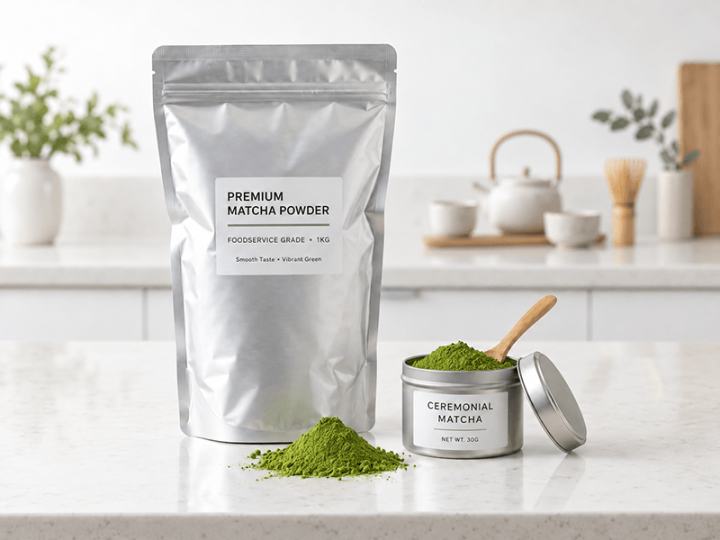
Bulk matcha powder is commonly packed in high-barrier foil bags. Smaller bags may be more suitable for cafés because they reduce repeated air exposure after opening. Larger packs may be more efficient for factories with high daily usage.
Private label matcha may be supplied in tins, jars, pouches, cartons, or single-serving sachets. Packaging selection should reflect the target market, shelf-life expectations, order quantity, and retail positioning.
Packaging Details to Confirm
The buyer should review the packaging material, barrier performance, seal quality, batch coding, manufacturing and expiry date format, inner bag size, and outer carton protection.
After opening, matcha should be handled with clean and dry equipment and stored away from heat, sunlight, moisture, and strong-smelling ingredients.
How to Compare the True Cost of Matcha
The lowest wholesale price per kilogram does not always provide the best commercial value.
A lower-priced matcha may require a larger serving size to produce the desired flavor and color. It may also cause more waste, inconsistent preparation, or customer dissatisfaction.
Calculate Cost per Finished Serving
A café should calculate the matcha cost per cup rather than comparing only the price per kilogram.
For example, a stronger matcha used at two grams per serving may be more economical than a cheaper powder that requires three or four grams.
A complete cost calculation should also consider packaging, freight, import charges, testing expenses, preparation waste, storage conditions, and shelf life.
Quality and Cost Should Be Evaluated Together
The most commercially suitable product is not necessarily the cheapest or most expensive option. It is the matcha that reaches the required quality standard at a sustainable finished-product cost.
How to Test Matcha Samples
Sample testing should reproduce real commercial conditions as closely as possible.
A café should use its normal milk, sweetener, cup size, water temperature, and preparation equipment. A bakery should test matcha inside the full recipe rather than evaluating it only with water.
Beverage manufacturers may need pilot production, heat testing, sedimentation testing, and shelf-life evaluation before approving a bulk matcha order.
Suggested Sample Evaluation Table
| Evaluation Item | What the Buyer Should Record |
|---|---|
| Product and Grade | Supplier name, grade name and sample batch |
| Dry Powder Color | Brightness, green tone and uniformity |
| Prepared Color | Appearance in water, milk or final formula |
| Aroma | Freshness and tea character |
| Flavor | Umami, bitterness, astringency and aftertaste |
| Texture | Smoothness and mouthfeel |
| Dispersibility | Lumping, mixing time and sedimentation |
| Dosage | Grams required per serving |
| Commercial Cost | Estimated ingredient cost per finished product |
| Overall Suitability | Suitability for the intended application |
Testing by several people can reduce the influence of individual preferences. Once a sample is approved, the recipe, dosage, preparation method, and batch details should be recorded.
Questions to Ask a Wholesale Matcha Supplier
Before placing a commercial order, buyers should obtain clear answers about the recommended grade, growing and processing origin, available specifications, quality testing, minimum order quantity, lead time, supply capacity, and packaging options.
For private label or OEM matcha projects, the buyer should also confirm whether the supplier can support custom tins, pouches, labels, cartons, sachets, and regulatory documentation.
Clear communication at the beginning of the project can reduce formulation changes, packaging delays, and quality disagreements later.
Frequently Asked Questions
What Is the Best Matcha for Cafés?
The best matcha for cafés usually has enough flavor strength to remain noticeable after milk and sweeteners are added. It should also provide attractive color, controlled bitterness, reliable dispersibility, and a practical cost per cup.
A balanced latte or café grade is often more suitable than a very delicate premium drinking matcha.
Is Ceremonial Grade Always the Best Choice?
Ceremonial grade is generally associated with direct drinking, but the term is not governed by one universal international standard.
Commercial buyers should compare actual samples, specifications, documentation, and batch consistency rather than relying only on the grade name.
Which Matcha Is Suitable for Baking?
Culinary matcha powder is commonly selected for baking because it provides stronger flavor and a more practical wholesale price.
The powder should be tested inside the finished recipe because heat, sugar, flour, and fat can affect both color and flavor.
What Is the Difference Between Bulk and Retail Matcha?
Bulk matcha powder is supplied in larger commercial packaging for cafés, factories, distributors, and private label companies.
Retail matcha is packaged in smaller consumer-ready tins, pouches, jars, or sachets. The powder may be the same grade, but packaging, labeling, and minimum order requirements are different.
Can Matcha Packaging Be Customized?
Many matcha manufacturers support private label and OEM packaging. Available options may include custom tins, stand-up pouches, printed labels, cartons, and single-serving sachets.
Custom packaging generally requires a higher MOQ than standard bulk packaging because the materials need to be produced specifically for the buyer.
Is Chinese or Japanese Matcha Better for Commercial Use?
Both origins can provide matcha suitable for business applications.
The better option depends on flavor requirements, brand positioning, order volume, target price, customer expectations, and supply needs. Actual sample performance should be more important than origin alone.
Final Considerations for Commercial Buyers
Choosing the right matcha powder requires a balance between sensory quality, technical performance, food safety, packaging, cost, and supply reliability.
The selection process should begin with the intended application and continue through sample testing, supplier evaluation, document review, cost calculation, and production planning.
Grade names, origin, and color can provide useful information, but they should not replace direct testing. The right matcha is the powder that performs consistently in the finished product, meets the required standards, fits the target cost, and remains available as the business grows.
Find a Suitable Matcha Solution with TangMist
TangMist supplies bulk matcha powder for cafés, beverage brands, food manufacturers, wholesalers, distributors, and private label businesses.
Different grades are available for traditional preparation, matcha lattes, baking, confectionery, functional drinks, and retail matcha products. TangMist can also support sample selection, bulk packaging, custom packaging, product documentation, and long-term supply planning.
Businesses can provide their intended application, target flavor, required volume, packaging format, and budget. TangMist can then recommend suitable matcha grades for testing and commercial evaluation.
Request Samples or a Bulk Matcha Quotation
Contact TangMist to request product specifications, compare matcha samples, or receive a customized quotation for bulk and private label matcha powder.