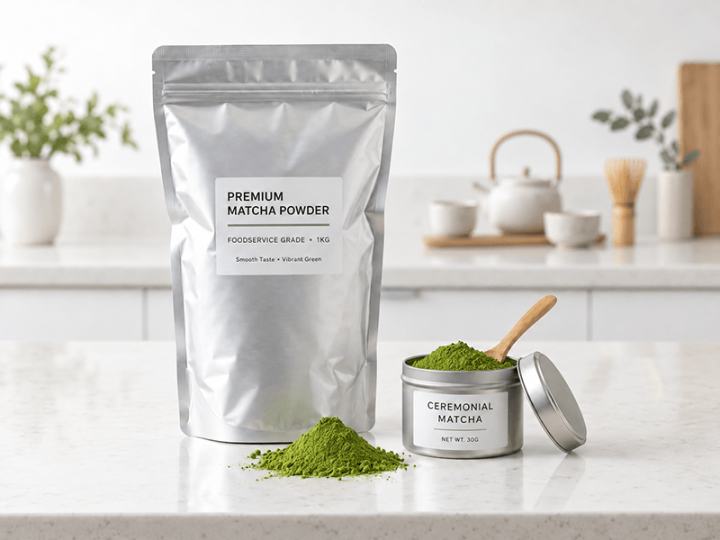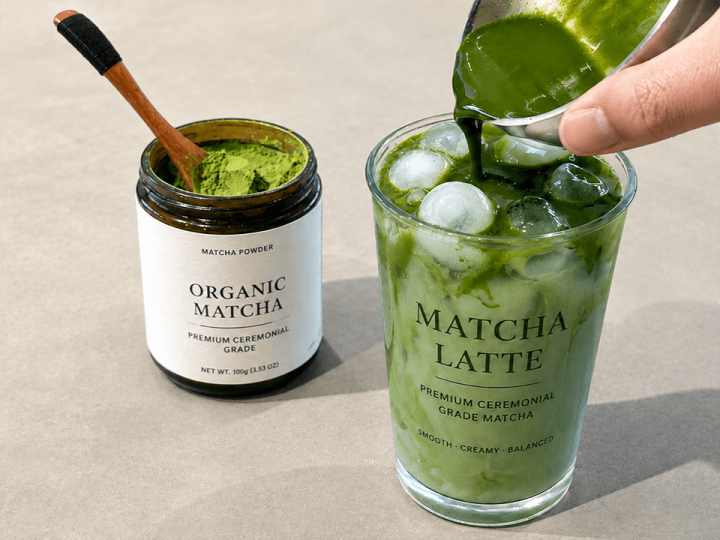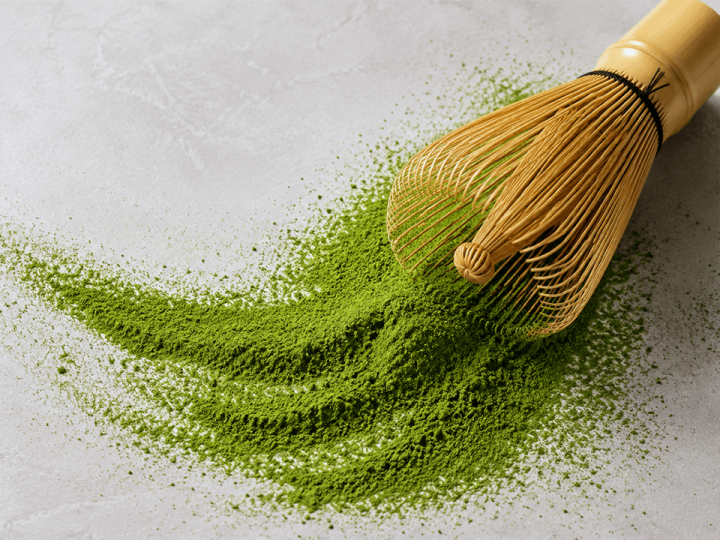
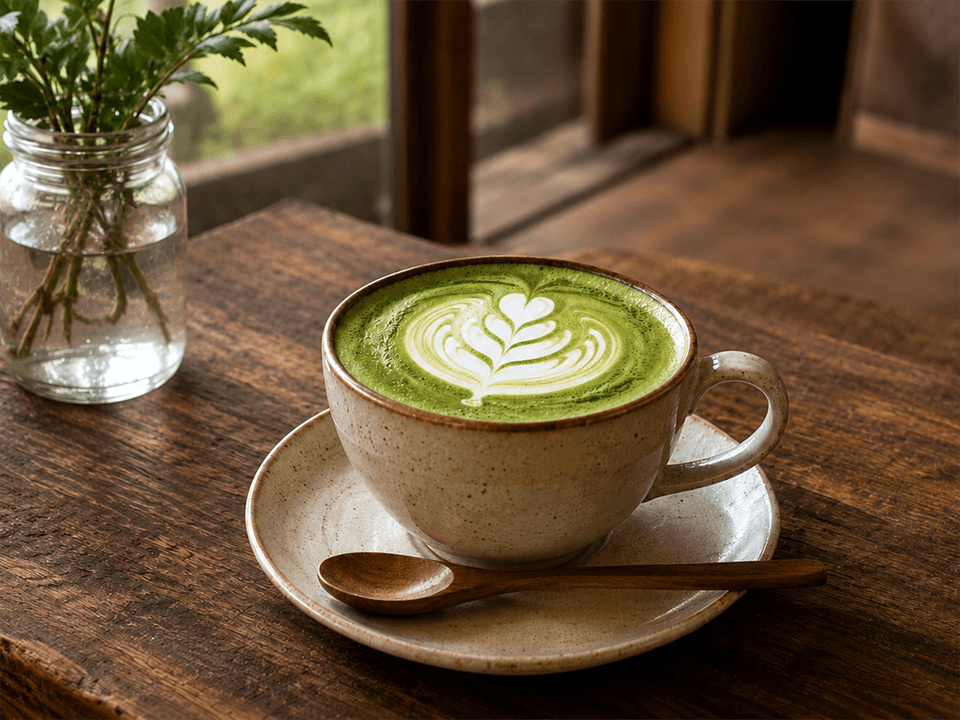
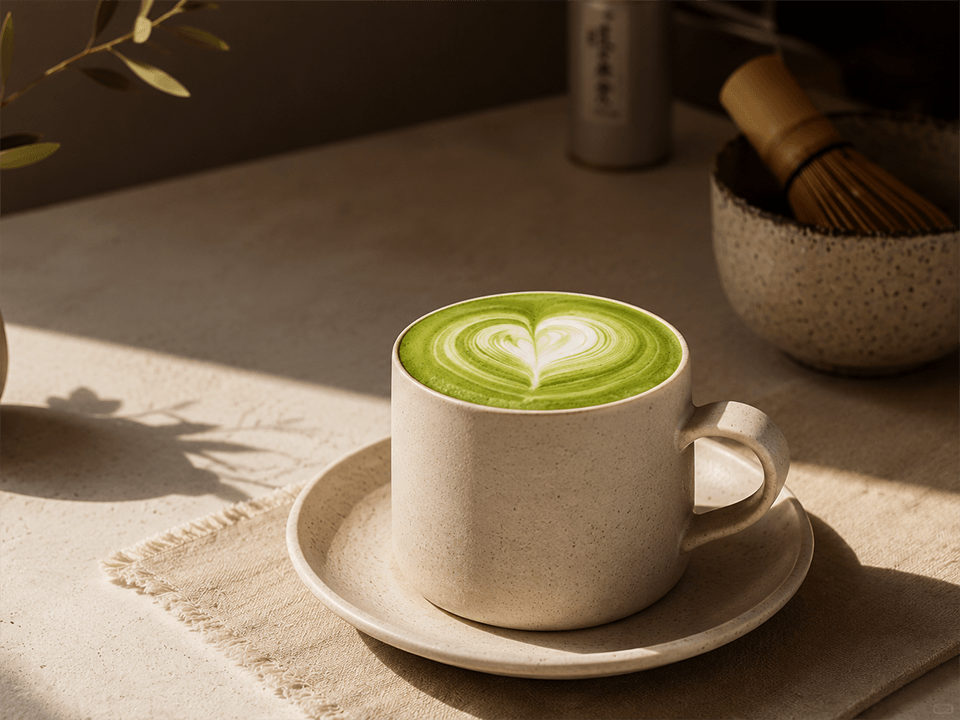
A café-style matcha latte should have a smooth texture, a clear tea flavor and a balanced level of sweetness. It should look naturally green without appearing artificial, and the matcha should remain noticeable after milk is added.
Making one at home may seem simple: mix matcha powder with water, add milk and serve. In practice, small details can make the difference between a bright, creamy latte and a drink that tastes bitter, weak or powdery.
The quality of the matcha matters, but preparation is equally important. Using the wrong water temperature, adding too much milk or failing to disperse the powder properly can reduce both the flavor and appearance of the final drink.
This guide explains how to make a café-style matcha latte in five easy steps, with practical advice for hot and iced versions. It also covers powder selection, ingredient ratios, common preparation mistakes and recipe standardization for cafés and beverage businesses.
What Makes a Matcha Latte Café-Style?
A café-style matcha latte is not simply matcha powder stirred into a large glass of milk. A well-prepared drink should maintain a recognizable matcha character while remaining smooth and approachable.
The matcha should contribute vegetal, fresh and mildly umami notes. Some controlled bitterness is normal, but the drink should not taste harsh or overly astringent. The milk should soften the tea without completely covering it, while the sweetener should support the flavor rather than dominate it.
Texture is also important. Matcha does not dissolve in the same way as sugar or instant coffee. It forms a suspension in water, so proper sifting and mixing are needed to prevent visible lumps and a gritty mouthfeel.
Café-Style Matcha Latte at a Glance
| Element | Recommended Starting Point |
|---|---|
| Matcha powder | 2–3 g |
| Warm water | 40–60 ml |
| Water temperature | Approximately 70–80°C |
| Milk | 180–220 ml |
| Sweetener | 5–15 ml, adjusted to taste |
| Serving style | Hot or iced |
| Mixing method | Bamboo whisk, electric frother or shaker |
| Final flavor | Creamy, balanced and clearly tea-forward |
These quantities are starting points rather than fixed rules. The best ratio depends on the matcha grade, milk type, cup size and desired strength.
What Ingredients Do You Need?
A basic matcha latte requires only matcha powder, water and milk. Sweetener is optional, but it is commonly used in café recipes because milk alone may not fully soften the natural bitterness of stronger matcha.
Basic Matcha Latte Ingredients
| Ingredient | Hot Latte | Iced Latte |
|---|---|---|
| Matcha powder | 2–3 g | 2–3 g |
| Warm water | 40–60 ml | 40–60 ml |
| Milk | 180–220 ml | 150–200 ml |
| Sweetener | 5–15 ml | 5–15 ml |
| Ice | Not required | One glass |
| Recommended cup size | 250–300 ml | 300–400 ml |
For a stronger café-style flavor, begin with approximately 2.5 grams of matcha and 200 milliliters of milk. This creates enough tea intensity to remain noticeable without making the latte excessively bitter.
Which Matcha Is Best for a Latte?
The best matcha for a latte is not necessarily the most expensive grade.
Very delicate drinking matcha may taste smooth when prepared with water, but its subtle flavor can disappear after milk and sweetener are added. A good latte-grade matcha usually has a stronger tea character, attractive natural color and enough structure to remain noticeable in the complete recipe.
The powder should have a fine texture, a fresh tea aroma and controlled bitterness. It should not smell stale, dusty or strongly roasted. Color can provide useful information, but it should not be the only selection standard.
A naturally bright green matcha is generally more appealing in milk-based beverages. However, an extremely vivid or fluorescent appearance may indicate that the image has been edited or that the powder should be evaluated more carefully.
Test Matcha in the Final Recipe
Matcha should always be tested with the same milk, sweetener and serving size that will be used in the final beverage.
A sample that tastes strong when mixed with water may become balanced in oat milk. Another sample may look bright as a dry powder but appear pale once it is diluted in a full-sized latte.
Why Dry Powder Evaluation Is Not Enough
Commercial buyers sometimes choose matcha based mainly on photographs or dry powder color. This can lead to poor results because milk, sugar, water temperature and processing all change the final appearance and flavor.
The most useful sample test is the finished drink.
Step 1: Measure and Sift the Matcha
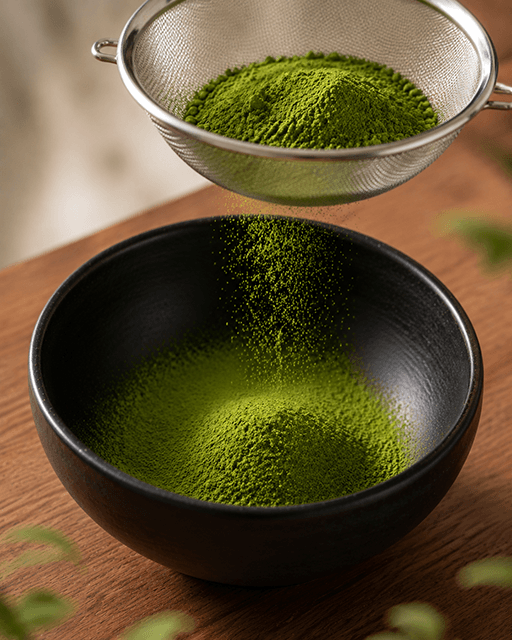
Begin by measuring approximately 2 to 3 grams of matcha powder into a clean bowl or cup.
Using a digital scale provides better consistency than relying on teaspoons. Matcha powder is very light, and the actual weight of a spoonful can vary depending on whether it is level, packed or heaped.
After measuring, pass the powder through a fine mesh sieve. Sifting breaks apart small compressed particles and makes the matcha easier to disperse into water.
This step may appear optional, but it has a noticeable effect on texture. Unsifted matcha can form small dry pockets that remain visible even after vigorous whisking.
Can You Make Matcha Without Sifting? It is possible, especially when using a high-powered blender or sealed shaker. However, sifting remains the most reliable method for producing a smooth café-style drink.
For cafés preparing many servings, matcha can be sifted in small batches before service. It should then be kept in a clean, dry and covered container to reduce exposure to humidity and air.
Step 2: Add Warm Water at the Right Temperature
Pour approximately 40 to 60 milliliters of warm water over the sifted powder.
The water should be hot enough to help disperse the matcha, but it does not need to be boiling. A temperature of approximately 70 to 80°C is a practical starting range for most latte applications.
Boiling water can make some matcha taste more bitter or astringent. It can also make it harder to evaluate the powder’s natural sweetness and umami character.
How Much Water Should Be Used?
Too little water can create a thick paste that is difficult to mix evenly. Too much water can weaken the latte before the milk is added.
For a 2-to-3-gram matcha serving, approximately 50 milliliters of water usually creates a concentrated and easy-to-mix matcha base.
The goal is not to make a complete cup of tea at this stage. The water is used to create a smooth concentrate that will later be combined with milk.
For a Stronger Latte
Use 3 grams of matcha with approximately 50 milliliters of water.
For a Milder Latte
Use 1.5 to 2 grams of matcha with approximately 40 to 50 milliliters of water.
Step 3: Whisk Until Smooth
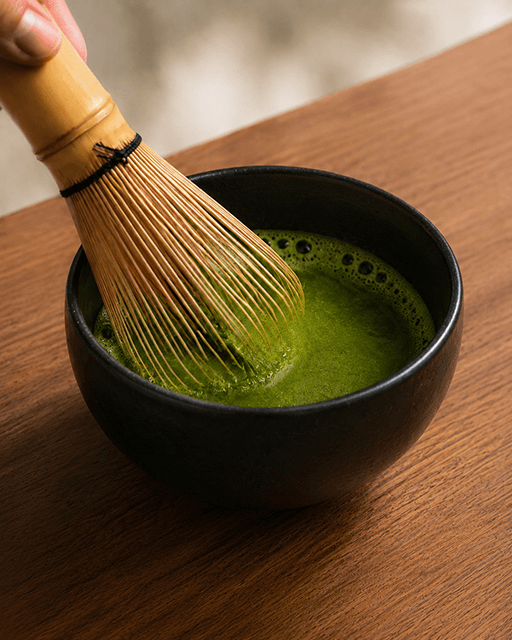
Whisk the matcha and water until the mixture is smooth and free from visible lumps.
A traditional bamboo whisk can create a light foam and fine texture. Move the whisk quickly in a loose “W” or “M” motion rather than stirring slowly in circles.
The whisk should move through the liquid rather than scrape heavily against the bottom of the bowl. After approximately 15 to 30 seconds, the mixture should look evenly dispersed, with small bubbles across the surface.
Why Matcha Sometimes Looks Grainy?A grainy appearance usually comes from unsifted powder, insufficient mixing or a powder with a coarser particle size.
Matcha naturally remains suspended rather than becoming completely transparent or fully dissolved. Some settling can occur when a drink is left standing, particularly in ready-to-drink or takeaway formats.
A small amount of settling is normal. Large floating clumps are not.
Step 4: Add Sweetener and Prepare the Milk
Add the chosen sweetener to the matcha concentrate while it is still warm. This makes sugar, honey or syrup easier to distribute.
Begin with a small amount. Approximately 5 to 10 milliliters of simple syrup is enough for a lightly sweetened latte, while 10 to 15 milliliters creates a more typical commercial café profile.
The correct sweetness level depends on the matcha and milk. A stronger or more bitter powder may require additional sweetness, while naturally sweet oat milk may need less.
Choosing the Best Milk for Matcha Lattes
Different types of milk change the color, texture and flavor of a matcha latte.
| Milk Type | Flavor Effect | Texture | Matcha Visibility |
|---|---|---|---|
| Whole dairy milk | Rich and creamy | Full-bodied | Moderate |
| Low-fat dairy milk | Cleaner and lighter | Less creamy | Good |
| Oat milk | Mildly sweet and cereal-like | Smooth and creamy | Moderate |
| Almond milk | Nutty and light | Thinner | Good |
| Soy milk | Mild and slightly beany | Creamy | Good |
| Coconut milk | Sweet and tropical | Rich | Can cover delicate matcha |
Whole milk and oat milk are popular choices because they create a creamy café-style texture. However, very rich milk can soften the tea so much that more matcha is required.
Almond milk produces a lighter drink but may separate depending on the brand and temperature. Coconut milk works well for tropical or fruit-based matcha drinks but can overpower a delicate tea.
Preparing Milk for a Hot Matcha Latte
Heat the milk until warm but not aggressively boiling. Froth it lightly to create a smooth microfoam rather than large, dry bubbles.
Avoid Overheating the Milk
Overheated milk may develop a cooked flavor and reduce its natural sweetness. It can also make the complete drink taste flatter.
Preparing Milk for an Iced Matcha Latte
Cold milk can be poured directly over ice. Frothing the milk first is optional, although a small amount of cold foam can create a more polished café presentation.
Step 5: Combine and Serve
Once the matcha concentrate and milk are ready, combine them and serve immediately.
For a hot latte, pour the warm milk slowly into the matcha concentrate. Stir gently, then finish with a thin layer of foam.
For an iced latte, fill the serving glass with ice and add the milk. Pour the matcha concentrate slowly over the top to create a layered green appearance. Stir before drinking for a balanced flavor.
Hot Matcha Latte Method
Add the sweetened matcha concentrate to the cup first. Slowly pour in the warm milk, holding back some foam until the end.
The final drink should have a uniform light green color, a creamy body and a clearly recognizable matcha taste.
Iced Matcha Latte Method
Fill a glass with ice, then pour in the milk. Add sweetener to the milk or matcha concentrate, depending on the recipe.
Pour the prepared matcha over the milk. The density difference may create an attractive layered effect, although the drink should be stirred before consumption.
How to Create Clear Layers
Use cold milk and a concentrated matcha base. Pour the matcha slowly over the back of a spoon or directly onto an ice cube.
Layering Is Mainly Visual
A layered drink may look attractive in photographs and café presentations, but it does not provide an evenly balanced flavor until it is mixed.
Complete Café-Style Matcha Latte Recipe
Hot Matcha Latte
| Ingredient | Quantity |
|---|---|
| Matcha powder | 2.5 g |
| Warm water | 50 ml |
| Milk | 200 ml |
| Simple syrup | 5–10 ml |
Sift the matcha, add warm water and whisk until smooth. Stir in the sweetener. Heat and lightly froth the milk, then pour it into the prepared matcha concentrate.
Iced Matcha Latte
| Ingredient | Quantity |
|---|---|
| Matcha powder | 2.5 g |
| Warm water | 50 ml |
| Cold milk | 180 ml |
| Simple syrup | 5–10 ml |
| Ice | As needed |
Sift and whisk the matcha with warm water. Add the sweetener. Fill a glass with ice and milk, then pour the matcha over the top.
The Best Matcha-to-Milk Ratio
A common reason matcha lattes taste weak is that too much milk is used for the amount of powder.
For a standard café cup, a useful starting point is approximately:
2.5 grams of matcha for every 180 to 220 milliliters of milk
This ratio provides a recognizable tea flavor in most milk types. A larger 400-to-500-milliliter drink may require additional matcha, especially when it also contains syrup, fruit purée or flavored foam.
Matcha Latte Ratio by Cup Size
| Cup Size | Matcha | Water | Milk |
|---|---|---|---|
| 240 ml | 1.5–2 g | 40 ml | 160–180 ml |
| 300 ml | 2–2.5 g | 50 ml | 190–220 ml |
| 350 ml | 2.5–3 g | 50–60 ml | 230–260 ml |
| 450 ml | 3–4 g | 60 ml | 300–340 ml |
The drink should still be tested as a complete recipe. Strong oat milk, coconut flavor, fruit syrup or a large quantity of ice may change the required dosage.
How to Make Matcha Latte Taste Better
A successful latte depends on balance rather than simply adding more sugar.
If the drink tastes too bitter, first check the water temperature and matcha dosage. The issue may come from using boiling water or a powder intended mainly for strongly flavored food applications.
If the latte tastes weak, reduce the amount of milk or slightly increase the matcha. Adding more sweetener will not restore a missing tea flavor.
A small pinch of salt can soften perceived bitterness in some flavored recipes, but it should not be noticeable. Vanilla, strawberry, banana, coconut and honey can also complement matcha when used carefully.
Popular Café Flavor Variations
Strawberry Matcha Latte
Add strawberry purée or strawberry syrup to the bottom of an iced glass, followed by milk, ice and matcha concentrate.
Strawberry provides sweetness and acidity, but too much fruit can cover the tea flavor. A matcha with stronger body is usually more suitable than an extremely delicate grade.
Vanilla Matcha Latte
Add vanilla syrup to the matcha concentrate or milk. Vanilla softens grassy notes and creates a familiar café flavor without significantly changing the drink’s color.
Banana Matcha Latte
Blend milk with banana purée or banana syrup before adding matcha. Banana creates a thicker texture and noticeable sweetness, so the matcha dosage may need to be increased.
Coconut Matcha Latte
Use coconut milk or add a small amount of coconut cream. The tropical flavor works well with matcha but can become heavy if the recipe contains too much fat or sweetness.
Pistachio Matcha Latte
Combine matcha with pistachio syrup or a smooth pistachio cream base. The nutty flavor complements the vegetal character of the tea and creates a premium dessert-style drink.
Common Matcha Latte Mistakes
Using Boiling Water
Very hot water can increase bitterness and make the matcha taste harsher. Warm water is generally sufficient for preparing a smooth concentrate.
Skipping the Sifting Step
Small matcha lumps can remain dry inside even after mixing. Sifting improves both texture and appearance.
Adding Matcha Directly to Cold Milk
Matcha can be difficult to disperse evenly in a full glass of cold milk. Preparing a concentrated matcha base first is more reliable.
Using Too Much Milk
A large volume of milk can dilute the tea flavor and make the latte look pale. The matcha dosage should increase with the cup size.
Choosing Matcha Only by Color
A bright powder is attractive, but aroma, texture, bitterness, aftertaste and milk performance are also important.
Using Too Much Sweetener
Excessive sweetness may hide low-quality matcha, but it also removes the distinctive tea character that makes a matcha latte different from other flavored drinks.
Preparing the Drink Too Far in Advance
Matcha can settle and lose freshness after preparation. A café-style latte is best mixed close to the serving time.
How Cafés Can Standardize Matcha Latte Recipes
Consistency is one of the biggest challenges when cafés add matcha drinks to the menu.
Different employees may use different spoon sizes, water volumes or mixing times. One latte may taste strong while the next tastes weak, even when the same matcha powder is used.
The recipe should specify the powder by weight, not only by spoon measurement. It should also define the water temperature, water quantity, milk volume, sweetener amount and mixing method.
Example Café Recipe Standard
| Recipe Element | Standard |
|---|---|
| Matcha | 2.5 g |
| Warm water | 50 ml |
| Mixing time | 20 seconds |
| Milk | 200 ml |
| Syrup | 10 ml |
| Final cup | 300 ml |
| Serving time | Immediately after preparation |
A written recipe reduces staff variation and makes ingredient costs easier to calculate.
Preparing Matcha Concentrate in Advance
Some cafés prepare matcha concentrate before busy service periods. This can improve speed, but the concentrate may settle or lose freshness if held for too long.
Small batches are preferable to a full day’s supply. The concentrate should be kept covered, mixed again before use and handled according to appropriate food-safety procedures.
Test Holding Time Before Launch
The café should test the concentrate at different holding times to see how the color, aroma, texture and sedimentation change.
Fresh Preparation Usually Gives the Best Result
For premium drinks, preparing each serving individually generally provides better aroma and a more attractive appearance.
How Much Does One Matcha Latte Cost?
The cost per serving depends on the price of the matcha, powder dosage, milk, sweetener, packaging and labor.
For example, one kilogram of matcha provides approximately 400 servings when each latte uses 2.5 grams.
The matcha cost per cup can be estimated using:
Matcha price per kilogram ÷ 400 servings
However, a lower-priced powder does not always produce the lowest final beverage cost. A weak matcha may require a higher dosage to remain noticeable in milk.
A stronger powder used at 2.5 grams may provide a better commercial result than a cheaper powder requiring 4 grams per serving.
Evaluate Cost in the Finished Drink
Commercial buyers should compare:
| Evaluation Area | Why It Matters |
|---|---|
| Dosage per cup | Determines actual ingredient cost |
| Flavor in milk | Shows whether the tea remains noticeable |
| Color after dilution | Affects customer appeal |
| Mixing performance | Influences service speed |
| Sedimentation | Matters for takeaway drinks |
| Batch consistency | Protects menu consistency |
| Supply reliability | Reduces unexpected recipe changes |
The best commercial matcha is the grade that delivers the required result at a practical dosage and can be supplied consistently.
How to Store Matcha Powder
Matcha is sensitive to air, light, heat and moisture.
After opening, keep it tightly sealed in suitable food-grade packaging. Avoid leaving the powder near ovens, steam equipment or direct sunlight.
For home users, smaller packages may preserve freshness better than one large container opened repeatedly. Cafés should divide working stock from reserve stock rather than opening the entire supply at once.
Keep Matcha Dry
Always use a clean, dry spoon or scoop. Moisture can cause clumping and accelerate quality loss.
Minimize Air Exposure
Close the package promptly after each use. Repeated exposure to air can reduce aroma and gradually change the powder’s color.
Frequently Asked Questions
How Much Matcha Should Be Used in a Latte?
Approximately 2 to 3 grams is a practical starting point for a 250-to-350-milliliter latte. Larger cups or strongly flavored recipes may require more.
Can Matcha Be Mixed Directly with Milk?
It can, but it is more difficult to achieve a smooth texture. Mixing the powder with a small quantity of warm water first usually produces better results.
What Is the Best Water Temperature for Matcha Latte?
Approximately 70 to 80°C is a useful starting range. The exact temperature can be adjusted according to the matcha and desired flavor.
Why Is My Matcha Latte Bitter?
Possible causes include excessively hot water, too much powder, an unsuitable matcha grade or insufficient milk and sweetness.
Bitterness should not automatically be solved by adding more sugar. Adjust the preparation method first.
Why Is My Matcha Latte Lumpy?
The powder may not have been sifted, or it may have been added directly to too much liquid. Prepare a small concentrated base and whisk thoroughly before adding milk.
Can a Matcha Latte Be Made Without a Bamboo Whisk?
Yes. An electric frother, shaker or blender can be used. A bamboo whisk is traditional, but it is not the only method capable of producing a smooth drink.
Is Oat Milk Good for Matcha Lattes?
Oat milk is widely used because it creates a creamy texture and adds mild natural sweetness. However, its flavor can soften delicate matcha, so the powder dosage may need adjustment.
Can Matcha Latte Be Prepared Without Sugar?
Yes. High-quality matcha and naturally sweet milk can create a balanced unsweetened latte. Consumers accustomed to commercial café drinks may initially prefer a small amount of sweetener.
Why Does Matcha Settle at the Bottom?
Matcha is a suspended powder rather than a fully soluble ingredient. Some settling is normal, especially when the drink stands for a long period.
What Is the Best Matcha for a Café?
A café should choose matcha based on final drink performance rather than only the grade name. The powder should provide suitable color, flavor, texture, consistency and cost at the intended serving dosage.
Final Thoughts
Learning how to make a café-style matcha latte is mainly about controlling a few important variables.
The matcha should be measured accurately, sifted and mixed with warm water before milk is added. The milk quantity must be balanced with the powder dosage, while sweetness should support rather than cover the tea.
The five-step method is straightforward:
- Measure and sift the matcha.
- Add warm water at a suitable temperature.
- Whisk until smooth.
- Add sweetener and prepare the milk.
- Combine and serve immediately.
Once these steps are standardized, the recipe can be adjusted for hot, iced, flavored and commercial café applications.
The best matcha latte is not always made with the most expensive powder. It is made with a matcha that performs well in the complete recipe and delivers the intended balance of color, flavor, texture and cost.
Find the Right Matcha for Café-Style Lattes with TangMist
TangMist supplies bulk matcha powder for cafés, beverage brands, food manufacturers, distributors and private label businesses.
Different grades are available for traditional drinking, café-style lattes, fruit matcha drinks, desserts, baking and powdered beverage formulations. Commercial buyers can compare samples based on color in milk, tea intensity, bitterness, texture, dosage and target product positioning.
TangMist can also support bulk buyers with product specifications, batch documentation, application-based grade selection, packaging options and long-term supply planning.
Request Matcha Samples for Your Latte Recipe
For a more useful sample evaluation, businesses should provide their intended cup size, matcha dosage, milk type, sweetness level, target color and expected order volume.
Contact TangMist to compare matcha samples and select a suitable grade for café lattes, beverage development or private label products.